Surprising Habits That Boost Your Gut Health
Ella Knight December 3, 2025
Curious about gut health and why it matters for your everyday wellness? Uncover the lesser-known habits that influence your digestive system, immunity, and even mood. This practical guide explores actionable steps and scientific insights for anyone seeking a happier, healthier gut.

The Secret World of Gut Microbiome
The gut microbiome is a complex ecosystem living inside everyone, teeming with trillions of bacteria, viruses, and fungi. These micro-organisms play essential roles in breaking down food, synthesizing vitamins, and training the immune system. What surprises many is how much these gut microbes contribute to everyday wellness beyond digestion. They affect everything from inflammation to your body’s ability to fend off illness. Maintaining a balanced gut environment isn’t just a trend—it’s linked to a long-term wellness strategy. Recent research shows that a diverse gut microbiome promotes resilience, while imbalance could increase susceptibility to chronic issues. Learning more about your gut’s inner workings helps set the stage for building healthy lifestyle habits. (Source: https://www.nih.gov/news-events/nih-research-matters/how-microbiome-affects-human-health)
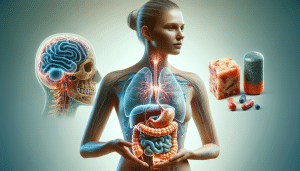
How does this ecosystem work? Each person’s gut houses unique bacterial communities, shaped by genetics, birth method, diet, stress, and antibiotic use. The gut-brain axis, for example, forms a two-way communication channel that affects both mood and cognition. Many find it fascinating that a healthy gut can produce neurotransmitters such as serotonin, commonly associated with happiness. This crosstalk influences sleep, anxiety, and how the body reacts to daily challenges. Simple lifestyle tweaks, like adding prebiotic-rich foods or focusing on fiber intake, can tip this delicate balance in favor of the beneficial bacteria. Fostering these microbes doesn’t require exotic supplements—often, small adjustments to meal routines are enough to spark positive microbial shifts. (Source: https://www.health.harvard.edu/blog/the-gut-brain-connection-2018072314457)
When gut health is neglected, symptoms can go unnoticed for weeks or even months, presenting as fatigue, skin flare-ups, or unusual cravings. Studies highlight the importance of early attention to digestive discomfort, as gut disturbances may be linked to immune irregularities and mental fuzziness. Encouraging a mindful approach to dietary choices and regular, gentle movement fosters a gut environment where beneficial microbes thrive. Rather than reaching for a quick fix, embracing gradual, long-term changes sustains the delicate balance that supports wellness everywhere in the body. (Source: https://www.mayoclinic.org/diseases-conditions/digestive-health/in-depth/gut-health/art-20390007)
Unusual Foods That Feed Your Good Bacteria
Not all foods nourish the gut the same way. Fermented foods like kimchi, yogurt, sauerkraut, and miso come packed with live cultures. These naturally support digestive health, replenishing helpful bacteria and making meals more exciting. Surprisingly, even old-fashioned oat bran, green bananas, and artichokes are powerhouse sources of prebiotic fiber—fuel for the microbes that already live inside you. Experimenting with different textures and flavors doesn’t just stimulate the palate; it actively broadens the diversity of your gut ecosystem. (Source: https://www.eatright.org/food/nutrition/healthy-eating/the-benefits-of-fermented-foods)
Switching up the weekly menu with more plant-based meals can make a big difference. Diets rich in whole grains, legumes, nuts, seeds, and vegetables offer an abundance of fibers seldom found in typical processed fare. Soluble and insoluble fibers each play distinct roles; together, they encourage regularity and promote a robust gut lining. For those seeking inspiration, exploring cuisines from around the world exposes you to new prebiotic foods—from Japanese natto to Latin American black beans. The wider the variety, the greater potential for microbial diversity, which is a hallmark of strong digestive health.
Those living with food sensitivities may worry that gut-friendly foods are off-limits. Luckily, most people tolerate fermented and fiber-rich choices in small, gradual amounts. Starting slow allows the body to adapt, reducing the risk of bloat or discomfort. Tracking how these foods impact daily mood and energy often reveals small improvements over time. The gut responds best to consistency, so making these foods a regular feature—not just an occasional treat—delivers long-term benefits. (Source: https://www.cdc.gov/nutrition/data-statistics/know-your-limit-for-added-sugars.html)
Hydration Habits for a Happier Gut
Water plays an underrated yet crucial role in digestive function. Staying well-hydrated ensures that nutrients dissolve, enzymes can do their job, and waste moves smoothly through the intestines. Insufficient fluid intake can lead to constipation, discomfort, or even aggravate gut inflammation. Mild dehydration stresses the body, increasing susceptibility to minor illnesses and slowing recovery. Most adults need more than just coffee and soft drinks; drinking plain water, herbal teas, and mineral-rich broths helps balance fluids and supports gut resilience. (Source: https://www.hopkinsmedicine.org/health/wellness-and-prevention/the-importance-of-hydration)
Electrolytes—minerals like sodium, potassium, and magnesium—also play their part in encouraging gut health. Sweating, intense exercise, and seasonal weather can deplete these minerals quickly. Instead of sugary sports drinks, many people find benefits from sipping coconut water or adding a squeeze of lemon to water for taste and a natural boost. Foods such as leafy greens, avocados, and pumpkin seeds replenish lost minerals and provide additional fiber. Together, strategic hydration and mineral intake keep digestive processes smooth and energy levels stable throughout the day.
Adopting new hydration habits starts with awareness. Keeping a refillable water bottle nearby or setting gentle reminders nudges you to sip regularly. For those who find plain water unappealing, adding fresh fruit or cucumber slices creates refreshment without excess sugar. Over time, these simple steps encourage better habits, supporting both gut health and whole-body wellness where stability and comfort matter most.
Stress, Sleep, and Their Influence on Digestion
Stress and sleep are often overlooked factors in digestive wellness. Chronic stress stimulates the ‘fight or flight’ response, which diverts energy away from digestion. For some, this leads to heartburn, bloating, or unpredictable appetite. Mind-body practices such as deep breathing, meditation, or gentle stretching help shift the body back to a ‘rest and digest’ state. Little by little, these relaxation techniques create a nurturing environment for gut health to flourish, especially when woven into the daily routine. (Source: https://www.sleepfoundation.org/physical-health/gut-health)
Quality sleep allows the gut to repair and regenerate. During deep sleep, the gastrointestinal tract processes hormones and repairs tissue. Persistent lack of sleep can disrupt microbial balance and slow down digestive movement. Establishing a predictable bedtime, reducing blue light exposure in the evening, and practicing calming rituals all help the body wind down for restorative slumber. The result? Improved digestion, stable mood, and less reactivity to stress triggers.
Small lifestyle tweaks often deliver surprising digestive improvements. For example, a consistent sleep schedule reduces episodes of heartburn or late-night cravings. Strategic pauses during the day for self-care, including a lunchtime walk or quiet moment, mellow the effects of workday stress. These non-dietary strategies amplify the benefits of other gut-friendly habits—proving that a happy gut relies as much on rest as on the right foods.
Movement and a Healthy Gut: Everyday Activity Counts
Physical activity is a powerful, often underestimated tool for digestive health. Regular movement encourages smoother passage of food and waste, while also strengthening the gut wall. Evidence shows that as little as 30 minutes of brisk walking or gentle yoga boosts circulation and helps regulate the nervous system. Those who stay active report not just fewer digestive upsets, but also more reliable energy and a brighter emotional outlook. (Source: https://www.cdc.gov/physicalactivity/basics/pa-health/index.htm)
It’s not necessary to focus on intense workouts. Everyday activities—garden work, cleaning, or taking the stairs—increase heart rate and stimulate digestion. These actions reduce sluggishness that might follow long stretches of sitting at one’s desk. By integrating gentle movement throughout the day, you maintain a more consistent body rhythm, supporting both gut health and a comfortable, balanced mood.
For those dealing with sedentary routines, tracking steps or scheduling short activity breaks makes adjusting easier. Community classes, walking groups, or even simple chair stretches at home create welcome structure. Over time, these habits establish a stable base for gut health, making digestive complaints less frequent and day-to-day living more enjoyable.
Habits to Avoid: Hidden Gut Disruptors
Certain habits silently disrupt gut wellness, sometimes without obvious side effects at first. Highly processed foods, excessive added sugars, and frequent use of antibiotics undermine microbial diversity and gut lining integrity. These choices can strip away beneficial bacteria and feed less-desirable strains. Over time, this imbalance leads to symptoms that can include indigestion, fatigue, or even swings in mood. To guard gut wellness, minimizing processed snacks and sugar-laden drinks is a rewarding step. (Source: https://www.cdc.gov/nutrition/data-statistics/know-your-limit-for-added-sugars.html)
Some over-the-counter medications, while helpful when necessary, affect gut flora if used regularly. Always consult a medical professional before making changes to medication routines, as abrupt shifts can also create stress for the gut. Instead, focus on foundational habits—mindful eating, regular sleep, and adequate hydration. These reduce the need for frequent interventions and maintain gut balance naturally over the long haul.
Awareness is power. Reflecting on how stress-eating, skipping meals, or endless snacking shapes gut environment inspires better choices. Keeping a simple journal or noting changes during particularly stressful times helps connect the dots between habits and gut wellness. The goal isn’t perfection. Instead, it’s about building gradual, sustainable improvements that nurture gut health—and by extension, support everyday vitality and resilience.
References
1. National Institutes of Health. (n.d.). How the microbiome affects human health. Retrieved from https://www.nih.gov/news-events/nih-research-matters/how-microbiome-affects-human-health
2. Harvard Health Publishing. (n.d.). The gut-brain connection. Retrieved from https://www.health.harvard.edu/blog/the-gut-brain-connection-2018072314457
3. Mayo Clinic. (n.d.). Digestive health: Tips for keeping your gut healthy. Retrieved from https://www.mayoclinic.org/diseases-conditions/digestive-health/in-depth/gut-health/art-20390007
4. Academy of Nutrition and Dietetics. (n.d.). The benefits of fermented foods. Retrieved from https://www.eatright.org/food/nutrition/healthy-eating/the-benefits-of-fermented-foods
5. Johns Hopkins Medicine. (n.d.). The importance of hydration. Retrieved from https://www.hopkinsmedicine.org/health/wellness-and-prevention/the-importance-of-hydration
6. Sleep Foundation. (n.d.). How sleep impacts gut health. Retrieved from https://www.sleepfoundation.org/physical-health/gut-health

 Surprising Benefits of Minimalist Living You Might Love