Surprising Benefits of Minimalist Living You Might Love
Samantha Lee December 3, 2025
Curious about the minimalist lifestyle trend seen everywhere online? This guide explores why so many people are embracing minimalist living, how it influences mental well-being, money habits, and entertainment choices, and what you can expect if you go minimalist yourself. Find out if minimalist living is a lifestyle shift worth considering.

What Minimalism in Lifestyle Really Means
Minimalism goes beyond tidy closets and empty countertops. It centers on living with intention, choosing to keep only possessions that provide value or joy. The minimalist living concept is gathering momentum as people look for ways to feel less overwhelmed and more content in daily life. This mindful approach shifts your focus to experiences and relationships over accumulating material things. By letting go of what is unnecessary, space opens up—physically and mentally—making room for new routines and perspectives. Many individuals find that minimalism helps clarify personal values and reduces decision fatigue. Minimalist lifestyle blogs often highlight not just decluttering but the deeper benefits of simplifying life, inspiring readers around the world to join the movement.
Entertainment choices are also shaped by minimalist principles. Rather than filling schedules with endless events, those who practice minimalism opt for only meaningful activities. The result? More time for authenticity, rest, and growth. The intention is not to avoid entertainment but to engage in experiences that feel aligned and memorable. Minimalist living can turn a simple picnic, a hike, or movie night at home into true highlights—no expensive tickets or constant busy-ness required. If you’ve wondered whether less really is more, the shift in how time is valued is a core element to consider.
One of the most surprising aspects of a minimalist approach is the internal transformation. It’s common to experience less stress, thanks to fewer distractions and clutter. People who begin this journey often report better focus, emotional relief, and even improved sleep quality. The process of evaluating each possession and habit serves as an exercise in self-discovery. Minimalist lifestyle practices aren’t just about what you own—they fundamentally change how you see your environment and yourself.
Mental Wellness and Minimalism: Can Less Help You Feel Better?
Reducing clutter undeniably impacts mental wellness. Psychologists have linked cluttered spaces with higher anxiety and reduced productivity. Minimalist living, in contrast, offers a gentle antidote. When people reduce the number of physical objects around them, their minds become freer to focus on what truly matters. Scientific studies suggest that intentional spaces can lower cortisol levels and foster calm, which many people crave in today’s noisy world (Source: https://www.ncbi.nlm.nih.gov/pmc/articles/PMC6680297/).
It goes beyond just removing excess items. Minimalism encourages mindfulness by prompting regular reflection—do you actually use everything you keep? Many individuals find the very act of decluttering therapeutic. Turning this into a habit helps reinforce self-discipline and awareness. For some, rearranging living spaces is a first step toward managing stress, reducing anxiety triggers in the environment, and rediscovering purpose in the everyday. Minimalist décor trends now even appear in therapy environments, promoting relaxation and recovery.
There is also a social aspect to mental wellness and minimalism. Simplifying life often creates more emotional space for lasting connections or quiet time. When a home is peaceful rather than chaotic, it naturally encourages calm conversations and focused interactions. This shift helps individuals—especially families—grow closer and more supportive of each other, strengthening bonds that resist stressors from outside.
How Minimalist Living Impacts Your Finances
The financial impact of minimalist living is significant. By choosing not to buy unnecessary items, many people find themselves saving a considerable amount each month. Living with less means fewer impulse purchases and a new awareness of spending habits. The core principle is to only invest in products and services that actually enhance well-being. This doesn’t mean sacrificing comfort—it’s about smarter, more satisfying ownership. Over time, minimalist living can contribute to financial security, enabling some to reduce debt and increase savings for experiences that matter most.
Adopting a minimalist mindest can help you distinguish between true needs and passing desires. For example, instead of chasing the latest home décor trend, minimalists may opt for timeless, functional designs. This shift not only conserves resources but also makes it easier to set future goals like travel, education, or building an emergency fund. Several financial advisors now recommend elements of minimalist philosophy in money management guides, reflecting its growing influence (Source: https://www.consumerfinance.gov/consumer-tools/managing-money/).
It’s interesting to see how minimalism shapes priorities around experiences over goods. Rather than spending on objects, people increasingly invest in adventures, hobbies, or learning opportunities. The minimalist approach offers a steady reminder that happiness is more often linked to what you do and who you do it with, rather than what fills your shelves. Minimalist living thus enables a rewarding, sustainable relationship with both money and leisure.
Entertainment and Leisure The Minimalist Way
Minimalism in entertainment doesn’t mean eliminating fun—instead, it’s about choosing meaningful activities over sheer quantity. Minimalists often prefer experiences that encourage connection, creativity, or relaxation. For example, swapping a day of mall shopping for an outdoor hike can be both mindful and fulfilling. Digital minimalism is especially popular, with many people consciously limiting time spent scrolling and consuming content, opting instead for quality time with friends, art, or nature (Source: https://wellness.mcmaster.ca/blogs/living-minimally-in-the-digital-age/).
Game nights, simple home-cooked dinners, or outdoor gatherings are rising in popularity. These activities don’t require endless spending or elaborate planning. By stripping entertainment options back to essentials, minimalism helps reveal what truly feels enjoyable and restorative. In fact, research suggests people who intentionally limit options often report greater satisfaction with their choices, since every experience becomes more meaningful (Source: https://greatergood.berkeley.edu/article/item/savoring_surprising_benefits_fewer_choices).
Another key trend is mindfulness in digital entertainment. Minimalists may choose one streaming service or a select few favorite podcasts rather than subscribing to every platform. This focused approach prevents overwhelm, reduces costs, and ensures that leisure really feels like leisure—not another source of stress. Minimalist living in entertainment is about quality over quantity, not about deprivation or missing out.
Adopting Minimalism: Practical Steps for Daily Life
Transitioning to minimalist living starts with small steps. One common method is the ‘one in, one out’ rule—add something new only if something else is let go. Decluttering by category (clothes, kitchenware, digital files) breaks the process into manageable stages. Some people document their journey online or join local groups for accountability and inspiration. Many find that the physical act of removing clutter is empowering, setting off a ripple effect on other life areas.
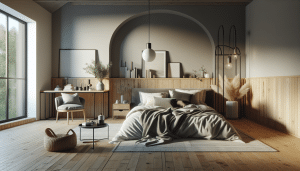
Minimalist design principles can be applied to décor as well. Think clean lines, neutral tones, and open spaces. Even entertainment areas can adopt this logic: mix and match multipurpose furniture, limit devices, and curate a few beloved games or books. This approach not only refreshes your space but also your approach to leisure and creativity. Community support, through online forums or minimalist challenges, helps maintain motivation (Source: https://www.simplelivingforum.net/).
Staying consistent is easier than it looks. Set scheduled times to re-evaluate possessions. Celebrate milestones—an organized closet, an extra-free weekend. If family or roommates are hesitant, begin with personal items and lead by example. Over time, benefits become clear: more time, money, energy, and peace of mind. Minimalism is a personal journey, and everyone has their own version of ‘enough’—finding yours is part of the adventure.
Is Minimalist Living Right for You?
Minimalist living isn’t a one-size-fits-all solution, but its core values can adapt to nearly any lifestyle. Key benefits include increased well-being, improved clarity, and a more balanced relationship with material possessions. The approach offers tools for stress reduction and greater satisfaction in everyday routines. Minimalism also invites you to focus your time and resources on what genuinely enriches your life, whether that’s exploring the outdoors, deepening relationships, or creative pursuits.
Common concerns include fear of missing treasured items or feeling deprived. Experts recommend starting gently—keep sentimental possessions but let go of excess. Over time, the freedom found in living with intention often outweighs early discomfort. Many discover that their homes, wallets, and social calendars feel more like reflections of their values, not just places filled with stuff. Minimalism is flexible: it can be an all-in lifestyle or simply a guiding principle for certain parts of life.
The best part? You define your version of ‘just enough’. Minimalist living doesn’t require strict rules or drastic changes. It’s about learning, experimenting, and noticing what makes daily life lighter and happier. If the idea piques your curiosity, it might be time to explore how minimalist choices could support your well-being and lifestyle goals.
References
1. Vohs, K. D., et al. (2013). Physical order produces healthy choices, generosity, and conventionality, whereas disorder produces creativity. Retrieved from https://www.ncbi.nlm.nih.gov/pmc/articles/PMC6680297/
2. Consumer Financial Protection Bureau. (n.d.). Managing Money. Retrieved from https://www.consumerfinance.gov/consumer-tools/managing-money/
3. McMaster University Student Wellness Centre. (2021). Living Minimally in the Digital Age. Retrieved from https://wellness.mcmaster.ca/blogs/living-minimally-in-the-digital-age/
4. Simple Living Forums. (n.d.). Simple Living Discussions. Retrieved from https://www.simplelivingforum.net/
5. Greater Good Science Center. (2018). Savoring the Surprising Benefits of Fewer Choices. Retrieved from https://greatergood.berkeley.edu/article/item/savoring_surprising_benefits_fewer_choices
6. Psychology Today. (n.d.). Why Minimalism is Good for Your Mental Health. Retrieved from https://www.psychologytoday.com/us/blog/urban-survival/201903/why-minimalism-is-good-your-mental-health

 What Homesellers Wish You Knew About Hidden Costs