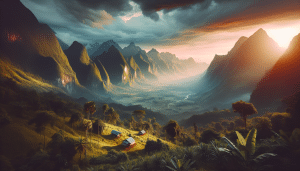
Secrets You Never Knew About Hidden Travel Destinations
Henry King December 2, 2025
Curious travelers continue to seek hidden gems and lesser-known places, away from crowded tourist attractions. Dive into the world of secret travel destinations, learn how to discover them, plan your visit, and enjoy truly unique experiences off the beaten path.

Unveiling the Allure of Hidden Travel Destinations
Hidden travel destinations have sparked the imagination of wandering souls for centuries. These lesser-visited places beckon with promises of authentic experiences, tranquility, and genuine cultural encounters. Instead of mainstream tourist spots, many explorers search for unique landscapes, traditional villages, or untouched beaches to enhance their travel journey. Unlike well-known cities that receive millions of visitors each year, hidden destinations often maintain their charm through limited exposure and preservation efforts, drawing those eager for adventure. Finding these treasures can transform an ordinary vacation into an extraordinary memory, giving visitors refreshing perspectives and unparalleled stories to share.
People are increasingly curious about escaping the crowds. The search for secret places influences travel trends—routes to secluded lakes, historic towns nestled in mountains, or villages preserved in time. These areas offer a distinct advantage: they allow for reflection, peace, and connection with the locals without interruption from large tour groups. The quiet lanes of an ancient European village or a tranquil cove in Southeast Asia can change one’s entire outlook on travel. By prioritizing lesser-known places, travelers contribute to sustainable tourism and cultural appreciation.
Hidden destinations also present opportunities to support smaller communities and economies. Many towns depend on the balance brought by selective tourism rather than mass visitation. When travelers opt for off-the-beaten-path adventures, they help sustain local businesses and foster cultural heritage. If you’re interested in venturing where few have traveled, keep reading for expert guidance on how to find, plan, and enjoy these secret gems. Each journey holds the promise of discovery and personal growth, especially when you explore beyond the ordinary.
How to Discover Uncommon Gems for Your Next Trip
Uncovering hidden travel gems begins with research beyond traditional guidebooks and viral lists. Resources like national tourism boards and global travel organizations curate lists of unexplored spots often overlooked by the masses. Forums, travel blogs, and nonprofit sites dedicated to sustainable travel are invaluable, sharing firsthand accounts and tips for reaching less-known locales (Source: https://www.lonelyplanet.com/articles/underrated-destinations). Even free online courses in geography or cultural studies from platforms such as Coursera can introduce fresh ideas and off-the-radar regions that match your interests.
Social media can be a surprisingly powerful tool for finding secret spots. Search hashtags related to lesser-known travel, and you’ll uncover real experiences off mainstream trails. Many seasoned explorers also document journeys on video sharing sites or through photo essays, creating visual guides for new adventurers. Joining online communities or discussion groups focused on backpacking, slow travel, or eco-tourism can offer up-to-date suggestions and warnings about changes or developments in certain regions.
Traveling for special interests—like birdwatching, culinary traditions, or art—often uncovers secret destinations unknown to most tourists. Enthusiast communities maintain databases of unusual places with distinct flora, indigenous cuisine, or historical relevance. National parks, biosphere reserves, and World Heritage tentatives often hide pockets of unspoiled beauty. Digging deeper into local culture, geography, and history opens doors to authentic adventures, giving your next trip true meaning and depth.
Planning Your Adventure to Lesser-Known Places
Planning a trip to a hidden destination requires attention to logistics, preservation, and safety. Since many secret gems may lack established infrastructure, preliminary investigation is essential. It starts with verifying access: Are roads reliable, is public transit available, and what about visa or permit requirements? Contacting local tourism boards or visiting official government tourism sites helps clarify restrictions and facilitates smoother travel (Source: https://travel.state.gov/content/travel/en/traveladvisories/traveladvisories.html/).
Accommodation is often different in off-the-map locations. Instead of hotels, travelers may find family-run guesthouses, eco-lodges, or community homestays. These options not only boost local livelihoods, but also offer cultural experiences absent in large resorts. Booking platforms that cater to sustainable tourism and community-based initiatives, such as Responsible Travel or Agritourism networks, often list unique places to stay. This personalized approach supports rural areas and ensures an immersive experience.
Health and safety are priorities in hidden travel. Some hidden gems may have limited medical care, food options, or language support. Learning basic phrases in the local language, sharing itineraries with friends, and packing essentials like first-aid kits or water purification tablets are key precautions. Guides published by organizations like the Centers for Disease Control and Prevention (CDC) and the World Health Organization (WHO) address the health precautions for travel to remote areas (Source: https://wwwnc.cdc.gov/travel). Preparation ensures that exploration is enriching, not risky.
Experiencing Authentic Culture and Nature Off the Beaten Path
Hidden travel destinations provide unmatched opportunities to connect with local traditions and natural landscapes. Visitors often experience age-old customs, seasonal festivals, and traditional crafts firsthand. Interactions are usually more genuine, as hosts aren’t overwhelmed by large crowds. This intimacy fosters meaningful cross-cultural exchanges. Many regional artisans or hosts are eager to share, teaching time-honored methods for pottery, cooking, or music (Source: https://ich.unesco.org/en/dive-into-intangible-heritage).
Natural wonders abound in secret corners. Think of crystalline lakes tucked into high valleys, forests inhabited by unique wildlife, or geological formations shaped over millions of years. Eco-conscious trekking, wildlife-watching, and stargazing are just some experiences that hidden gems offer. National and UNESCO-protected sites frequently provide guidance and responsible tour options for visitors. Such experiences, away from mass tourism, leave lasting impressions on those who venture to discover them.
Culinary traditions often remain truest in places untouched by homogenizing tourist demands. Sampling indigenous ingredients, street foods, and farm-to-table specialties reveals a rich story of agriculture and community. Local markets, fishing villages, and field-to-plate restaurants turn dining into an adventure of its own. Finding these traditional flavors can be one of the most rewarding aspects of a trip, merging travel curiosity with cultural understanding.
Sustainable Travel and Supporting Local Communities
Sustainable travel is especially important when exploring hidden destinations. These places can be fragile—both ecologically and culturally. Thoughtful visitors prioritize reducing their environmental footprint, respecting local customs, and making economic contributions that uplift communities. Eco-friendly practices might include using reusable gear, limiting plastic waste, and choosing low-impact transportation. National and non-profit organizations set out ethical guidelines and support programs for visitors wishing to travel responsibly (Source: https://www.responsibletravel.org/what-we-do/travel-ethics).
Supporting local economies promotes balance. Buying directly from artisans, booking community homestays, and dining in regional restaurants all help sustain livelihoods over time. Some initiatives train residents in hospitality while promoting traditional skills. Travelers find their money goes further in these regions, and their tourism dollars stay in the community. Responsible tourism ensures each visit leaves a positive impact, benefiting both travelers and locals alike.
Another way to give back is through voluntourism—if the project is ethical and community-led—or by participating in workshops that teach about local environmental or cultural conservation. Checking reviews and the legitimacy of programs is crucial to avoid unintentional harm. Authentic engagement deepens one’s understanding and appreciation, while helping preserve what makes these hidden places special for future generations.
Tips for Safe, Meaningful, and Memorable Hidden Travel
Preparation is the key to making any adventure in a secret destination safe and memorable. Pack light but wisely—extra chargers, copies of documents, travel insurance, and emergency contacts bridge gaps unnoticed in planning. Stay updated with advisories and weather information from official sources (Source: https://www.weather.gov/informationcenter/travel), especially when venturing to regions with unpredictable conditions.
Keeping a flexible mindset helps when navigating unfamiliar places. Plans might shift due to road closures, unexpected weather, or local events. This openness can lead to the most cherished discoveries. Documenting your travels through journals or photographs also helps capture memories, though always ask permission before photographing people or sacred spaces. Embracing these situations as part of the journey ensures your memories are rich, not stressful.
Lastly, staying respectful and present is essential. Greeting locals in their own language, dressing appropriately, and learning about local customs instills trust. Whether you’re hiking a remote path or sharing a meal in a tucked-away village, the connections made leave the deepest mark. Each trip to a hidden destination offers new lessons in humility, curiosity, and camaraderie for those willing to go beyond the usual path.
References
1. Lonely Planet. (n.d.). 10 underrated destinations. Retrieved from https://www.lonelyplanet.com/articles/underrated-destinations
2. U.S. Department of State. (n.d.). Travel Advisories. Retrieved from https://travel.state.gov/content/travel/en/traveladvisories/traveladvisories.html/
3. Centers for Disease Control and Prevention. (n.d.). Traveler’s Health. Retrieved from https://wwwnc.cdc.gov/travel
4. Responsible Travel. (n.d.). Travel Ethics. Retrieved from https://www.responsibletravel.org/what-we-do/travel-ethics
5. UNESCO. (n.d.). Dive into intangible heritage. Retrieved from https://ich.unesco.org/en/dive-into-intangible-heritage
6. National Weather Service. (n.d.). Weather and Travel Information. Retrieved from https://www.weather.gov/informationcenter/travel

 Unlocking High Yield Savings Accounts for You