Secrets You Miss About Indoor Plants for Health
Henry King December 4, 2025
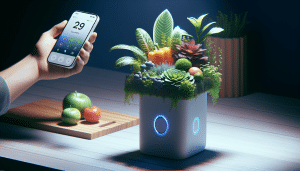
Indoor plants do more than brighten a room. Discover how the right houseplants can improve air quality, boost mood, and even contribute to your well-being. This guide unveils the little-known advantages of greenery indoors, along with practical tips for thriving indoor gardens.

Why Indoor Plants Matter in Everyday Spaces
Most people see indoor plants as decorations. Yet, their impact goes much deeper. Certain indoor plants help filter common pollutants found in household air, such as benzene or formaldehyde. These toxins commonly come from synthetic furniture, paints, and cleaning products. By integrating a carefully chosen plant selection, households and offices may experience cleaner air. Some studies suggest this improvement, which is often subtle, can make living spaces more comfortable and inviting (Source: https://www.epa.gov/indoor-air-quality-iaq/inside-story-guide-indoor-air-quality).
Improved air quality also connects directly to well-being. Those exposed to clean, plant-enriched air may notice fewer headaches, better focus, and reduced eye irritation. While not every single household will see dramatic changes, research does indicate slight benefits when more greenery is present. The gentle presence of indoor plants can also introduce a sense of calm, and help establish routines that encourage personal care and mindfulness. This is particularly meaningful for those who spend much time working from home or in closed environments.
Plants indoors also add an aesthetic element that’s hard to ignore. Their colors and textures break up sterile interiors, bringing warmth and vibrancy. This visual interest can uplift mood — especially in colder seasons when outdoor greenery is scarce. Even small succulents or leafy companions placed on windowsills seem to make a difference in how a room feels. The joy of nurturing a living thing, and watching it respond over weeks, grounds many people in daily mindfulness.
Indoor Plants and Natural Air Purification Processes
Some indoor plants are known for their unique abilities to absorb specific airborne contaminants. The famous NASA Clean Air Study, often cited as a reference in this field, illustrates how common houseplants like spider plants, peace lilies, and snake plants efficiently remove certain toxins (Source: https://ntrs.nasa.gov/citations/19930073077). Their roots, leaves, and associated microorganisms work together in a subtle air-filtration process. It’s not instant, but over time, improvements may be noticeable in occupied rooms.
Additionally, plants’ transpiration during photosynthesis increases indoor humidity slightly. This can be particularly helpful in dry climates or during heated winter months. Maintaining ideal humidity can support respiratory health, prevent dry skin, and make overall living conditions more pleasant. While a few plants won’t replace an air purifier, a larger collection strategically distributed around the home can yield a cumulative benefit that’s distinctly soothing.
The science isn’t just about what the eye sees. Beneficial microorganisms living in the soil of healthy potted plants contribute to this indoor ecosystem, helping break down pollutants further. These tiny allies also aid nutrient cycling, making indoor plant maintenance more sustainable. Choosing the right species for the home environment — such as broad-leafed options for larger rooms, or compact air-purifying options for bedrooms — is key to maximizing these effects and supporting a naturally fresher ambiance.
Choosing the Right Plants for Your Lifestyle
Everyone’s home and routine is different, so adopting indoor plants should start with realistic expectations. Some people prefer low-maintenance choices. Snake plants and pothos, for instance, require minimal watering and thrive under various light conditions. Others may have time for more delicate varieties, such as ferns or orchids, which require more precise care to flourish. Assessing the light in each room, available space, and commitment level can mean the difference between enjoyment and frustration.
Think also about local climate and environmental conditions. Tropical species do well in homes with stable temperatures and some humidity, while cacti and succulents can thrive on a sunny kitchen counter with less frequent watering. For homes with pets or children, focusing on non-toxic varieties is essential. Peace lilies, pothos, and philodendrons, for example, are popular but may not be safe for curious cats or dogs. Pet-friendly options like spider plants, Boston ferns, and parlor palms offer safer alternatives (Source: https://www.aspca.org/pet-care/animal-poison-control/toxic-and-non-toxic-plants).
Planning how plants will fit into daily routines makes their care much simpler. Self-watering pots, moisture meters, and consistent placement by windows are small tweaks that help maintain healthy indoor gardens. For beginners, starting with one or two resilient species builds confidence. Over time, expanding a personal plant selection can be a satisfying hobby that adds new energy to both home and lifestyle, offering ongoing health and decorative rewards.
The Mood-Enhancing Power of Indoor Greenery
The link between indoor plants and emotional well-being is well documented in psychology and public health. Their presence has been found to reduce cortisol, the body’s primary stress hormone, in certain contexts. Just the simple act of tending to potted plants can help cultivate mindfulness. For people managing remote work or study schedules, a green oasis beside the workspace may contribute to sharper focus and lower feelings of fatigue (Source: https://journals.sagepub.com/doi/abs/10.1177/0013916501333002).
Plants aren’t a cure-all for mood disturbances. But studies highlight their subtle influence in promoting relaxation and restoring attentional capacity after stress. Even in public spaces, the inclusion of living greenery shifts how people perceive a room’s comfort. Incorporating houseplants into homes for their mood-boosting properties can be an affordable, low-risk way to support emotional wellness that complements other healthy routines.
Colorful blooms such as African violets or peace lilies provide visual stimulation, while leafy ferns or palms can create a lush, tropical atmosphere. Experimenting with different arrangements and decorative pots can further personalize any space. The tactile experience of watering, pruning, and arranging plants draws individuals into the present moment—a gentle antidote to digital overload. Many find these habits foster a stronger sense of connection and comfort in their living environments.
Overcoming Common Indoor Plant Challenges
New indoor gardeners often face some initial setbacks. Overwatering, low light, pests, and inadequate drainage are among the frequent obstacles. Addressing these issues starts with understanding the unique needs of each plant. For example, most succulents prefer their soil completely dry between waterings, while ferns need consistent moisture. Using the correct potting mix and container size is critical. Ensuring pots have drainage holes can help avoid the most common cause of root rot (Source: https://hgic.clemson.edu/factsheet/growing-indoor-plants-with-success/).
Light requirements vary widely, too. South-facing windows offer more sunlight, making them ideal for sun-loving species, while shade-tolerant varieties like ZZ plants adapt to darker corners. Artificial grow lights, now more affordable, can supplement natural light for an indoor plant collection. Addressing pest infestations early is also key. Inspect new plants before bringing them inside. If issues arise, removing affected leaves and using gentle insecticidal soap solutions usually helps get things back on track.
Sometimes, setbacks lead to learning moments. Observing how different plants react over time helps refine care habits. Experimentation and patience are essential. Even those who have struggled with plant care in the past discover that small adjustments yield success surprisingly quickly. Sharing tips with friends, or joining plant-focused online communities, can further boost confidence and cultivate a richer home garden experience.
Maximizing Indoor Green Spaces for Wellness and Style
Today’s indoor plant trend goes beyond simple decoration. Many people now design elaborate green spaces indoors, using vertical shelving, hanging planters, and terrariums. This layered approach creates natural focal points in rooms of all sizes, making interiors more dynamic and alive. For those who enjoy crafts, combining houseplants with pot painting or DIY macramé hangers elevates personal style while keeping plants thriving.
Blending plant care with wellness routines amplifies the benefits. Mindful watering becomes a morning ritual, while pruning and repotting introduce regular moments of reflection. Studies have shown that just seeing greenery daily supports sustained feelings of well-being and connectedness. Green spaces double as creative outlets and places for relaxation or solo retreat, helping anchor a healthy home environment even in small apartments or busy households.
As homes evolve through new lifestyles or work-from-home patterns, integrating more plants offers simple, cost-effective adjustments. With a thoughtful selection and consistent care, indoor greenery will flourish, improving both mental outlook and the look of any space. Over time, these living accents inspire ongoing curiosity, creativity, and even hospitality as guests admire the indoor jungle flourishing quietly alongside daily life.
References
1. U.S. Environmental Protection Agency. (n.d.). The Inside Story: A Guide to Indoor Air Quality. Retrieved from https://www.epa.gov/indoor-air-quality-iaq/inside-story-guide-indoor-air-quality
2. Wolverton, B.C., Johnson, A., & Bounds, K. (1989). Interior Landscape Plants for Indoor Air Pollution Abatement. NASA Clean Air Study. Retrieved from https://ntrs.nasa.gov/citations/19930073077
3. ASPCA. (n.d.). Toxic and Non-Toxic Plants List. Retrieved from https://www.aspca.org/pet-care/animal-poison-control/toxic-and-non-toxic-plants
4. Lohr, V. I., Pearson-Mims, C. H., & Goodwin, G. K. (1996). Interior Plants May Improve Worker Productivity and Reduce Stress in a Windowless Environment. Journal of Environmental Horticulture, 14(2), 97-100. Retrieved from https://journals.sagepub.com/doi/abs/10.1177/0013916501333002
5. Clemson Cooperative Extension. (n.d.). Growing Indoor Plants with Success. Retrieved from https://hgic.clemson.edu/factsheet/growing-indoor-plants-with-success/
6. The Royal Horticultural Society. (n.d.). Health and wellbeing: Gardening for health. Retrieved from https://www.rhs.org.uk/advice/profile?PID=964

 Unforgettable Train Journeys You Can Experience Worldwide