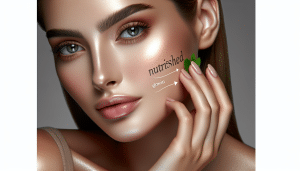
Secrets Behind Glowing Skin You Never Expected
Ella Knight October 30, 2025
Explore practical ways people achieve radiant, healthy skin. This guide examines skincare routines, nutrient-rich ingredients, mindful habits, and trending treatments to help unlock a brighter, smoother complexion. Curiosity meets science as we highlight evidence-backed tips for wellness and lasting beauty gains.

Understanding the Foundations of Radiant Skin
Glowing skin is often more than beauty—it reflects inner wellness. Genetics, environment, and daily habits all shape the way skin appears under the light. A foundational approach begins with hydration. Water, both consumed and used topically, works wonders for skin’s smoothness and bounce. Individuals frequently notice how drinking enough water leads to subtle improvements in clarity and plumpness (Source: https://www.aad.org/public/everyday-care/nutrition/general/skin-myths). Avoiding dehydration and harsh conditions can be a powerful first step toward maintaining a radiant complexion, even before specialized products are introduced.
Barrier function is vital in shielding skin from irritants. This barrier, made of natural oils and proteins, guards against environmental stressors like pollution and UV rays. Consistently using gentle cleansers and moisturizers with ceramides or hyaluronic acid helps reinforce this shield. Many people are now aware that less is sometimes more—over-washing or using strong exfoliants can compromise the skin’s natural defenses, leading to dullness and sensitivity. A pared-down, consistent routine gives the skin the environment it needs to renew itself efficiently.
Lifestyle choices, from diet to sleep, greatly impact skin glow. Nutrient-rich meals, adequate sleep, and mindful stress management all play roles in cellular repair and inflammation control. Vitamins A, C, and E—as well as healthy fats—are staples in diets aimed at nurturing resilient, glowing complexions. By tuning into these foundational elements, many discover that their skin not only appears brighter but also feels healthier and more comfortable throughout the day.
The Importance of Personalized Skincare Routines
No two complexions are quite the same. Personalized routines make it possible to target unique concerns, from dry or oily patches to uneven texture or tone. Understanding one’s individual skin type is crucial. Simple at-home tests—such as observing how skin behaves after cleansing—can reveal whether skin falls into the normal, dry, oily, or combination categories (Source: https://www.mayoclinic.org/healthy-lifestyle/adult-health/in-depth/skin-care/art-20048237). The journey to a personalized regimen often starts with this step, guiding choices around cleansers, serums, and sunscreens that truly benefit the skin.
Layering products in the correct order maximizes their effectiveness. A common sequence—cleanser, toner, serum, moisturizer, and sunscreen—ensures active ingredients penetrate the skin where needed. Some people benefit from using targeted products, such as a niacinamide serum for redness or a retinoid for signs of aging. Adjusting routines with seasons and life changes—a switch to richer creams in winter or lighter textures in summer—can keep skin glowing year-round.
Consistency and patience are key for real transformation. Skin’s natural cycle is roughly 28 days, and meaningful changes take time. Sudden results are rare, but steady routines pay off. Keeping track with a journal or photos allows you to notice progress that isn’t always visible day to day. This approach not only fosters self-awareness but also makes it easier to identify successful habits to repeat for lasting radiance.
Nutrient-Rich Ingredients that Illuminate Complexion
Certain ingredients have earned a reputation for enhancing luminosity. Vitamin C, for example, is a prominent antioxidant that helps brighten dullness and minimize discoloration (Source: https://www.ncbi.nlm.nih.gov/pmc/articles/PMC3673383/). When used consistently, serums or creams containing stabilized forms of vitamin C can give skin a more even tone. Many discover that pairing this with daily sun protection is critical, as UV exposure often worsens pigmentation issues and counteracts brightening efforts.
Hyaluronic acid is another ingredient celebrated in the wellness community. Its unique molecular structure allows it to attract and retain up to 1,000 times its weight in water. Lightweight hyaluronic acid products can plump and hydrate even oily or sensitive skin without leaving a heavy residue. Those who incorporate this step into their skincare often report dewy, refreshed complexions that defy changing weather and office air-conditioning.
Botanical extracts bring their unique profiles to skincare regimens. Ingredients such as green tea, licorice root, and chamomile can soothe irritation and protect against free radicals. These natural elements not only add a touch of luxury but also deliver real wellness benefits when chosen thoughtfully. Decoding label ingredients can help identify what works best for glowing, resilient skin.
The Power of Sun Protection for Lasting Glow
Long-term radiance is directly linked to regular sun protection. Ultraviolet rays can accelerate aging, promote spots, and damage underlying collagen—even on cloudy days. Broad-spectrum sunscreen (SPF 30 or higher) should be a daily ritual at every age. When sunscreen is combined with strategies such as seeking shade or wearing protective clothing, the results compound over time (Source: https://www.cancer.org/healthy/be-safe-in-sun/sunscreen-and-sun-safety.html).
Modern sunscreen formulas have evolved with skin comfort in mind. There are mineral types for sensitive faces and non-greasy gels for oily complexions. For those with darker skin tones, tinted sunscreens are available to avoid white residue and promote even-looking skin. Reapplication is essential—especially after swimming or sweating—to preserve protective benefits and consistent radiance throughout the day.
Myths about sunscreen persist. Some believe it’s unnecessary indoors or only needed in summer. In reality, UVA rays penetrate windows and operate year-round, impacting skin even while working at a desk or driving. Education about sun safety empowers individuals to embrace this simple, effective step, ensuring youthful-looking skin and reducing the risk of sun-induced pigment changes and roughness.
Emerging Beauty Treatments for a Brighter Appearance
Innovative skincare treatments underline the growing intersection of science and beauty. Approaches such as chemical peels, microneedling, and LED light therapy are now options for people pursuing an extra glow (Source: https://www.fda.gov/consumers/consumer-updates/getting-healthy-glow-safe-use-cosmetic-products). Chemical exfoliants—like alpha hydroxy acids—can help loosen dull surface cells and promote brightness. Performed safely by professionals, these treatments support skin renewal and enhance product absorption.
Microneedling uses tiny needles to stimulate collagen production, which can improve texture, reduce the appearance of pores, and soften fine lines. Many appreciate the visible smoothness and resilience this approach provides. Meanwhile, LED light therapy is gaining attention for its ability to reduce redness, stimulate repair, and even help with mild acne. Safety and realistic goals are emphasized by healthcare professionals; consultation ensures treatments match individual needs.
Home-use devices have become more accessible but are best approached with research and caution. Not all devices are equally effective, and misuse can lead to irritation. Consulting reputable sources—such as dermatology societies or government health agencies—helps users find safe, evidence-based tools. Combining professional insight with these advances can transform routines for a vibrant, healthy look.
Mindful Habits That Elevate Your Skin’s Natural Radiance
Daily choices set the stage for beautiful skin. Mindful eating is a key factor. Diets packed with antioxidants, lean proteins, and colorful produce foster cellular health and collagen strength. Fish rich in omega-3s, nuts, leafy greens, and berries all contribute to the building blocks of a luminous complexion (Source: https://www.hsph.harvard.edu/nutritionsource/what-should-you-eat/skin-health/). Eating with intention means not just flavor but nurturing fundamental well-being.
Stress and inadequate sleep reveal themselves on the face more than anywhere else. Sleep hygiene—consistent bedtime habits, blackout environments, winding down with gentle routines—promotes overnight skin regeneration. Stress management techniques, such as mindfulness or gentle movement, help reduce inflammation and free radical burden that can cloud the skin’s glow.
Small, mindful adjustments add up. Switching to silk pillowcases can reduce friction and help avoid sleep lines. Washing makeup brushes regularly supports clearer skin. Even daily gratitude practices can translate to a more relaxed, content look—showing how inner calm and outer radiance are fully intertwined. Beauty, truly, begins from within.
References
1. American Academy of Dermatology Association. (n.d.). Skin care myths. Retrieved from https://www.aad.org/public/everyday-care/nutrition/general/skin-myths
2. Mayo Clinic. (n.d.). Skin care: 5 tips for healthy skin. Retrieved from https://www.mayoclinic.org/healthy-lifestyle/adult-health/in-depth/skin-care/art-20048237
3. Pullar, J. M., Carr, A.C. & Vissers, M.C.M. (2017). The roles of vitamin C in skin health. Retrieved from https://www.ncbi.nlm.nih.gov/pmc/articles/PMC5579659/
4. American Cancer Society. (n.d.). Sunscreen and sun safety. Retrieved from https://www.cancer.org/healthy/be-safe-in-sun/sunscreen-and-sun-safety.html
5. U.S. Food & Drug Administration. (n.d.). The safe use of cosmetic products. Retrieved from https://www.fda.gov/consumers/consumer-updates/getting-healthy-glow-safe-use-cosmetic-products
6. Harvard T.H. Chan School of Public Health. (n.d.). Skin health and nutrition. Retrieved from https://www.hsph.harvard.edu/nutritionsource/what-should-you-eat/skin-health/

 Small Backyard Landscaping Ideas That Surprise You