Designing Multi-Purpose Living Spaces
Samantha Lee August 18, 2025
In today’s fast-paced world, homes are no longer just places to sleep and store belongings. With the rise of remote work, online schooling, and the ever-changing dynamics of family life, the traditional idea of separate rooms for specific functions is becoming outdated. Instead, designing multi-purpose living spaces has emerged as one of the most important home design trends in 2025. This approach emphasizes flexibility, efficiency, and creativity, allowing living areas to adapt seamlessly to different needs throughout the day. By building spaces that can serve multiple functions—such as a home office that doubles as a guest room, or a dining area that transforms into a workspace—homeowners and renters alike are creating homes that better align with modern lifestyles.

Why Multi-Purpose Living Spaces Are Rising in Popularity
The demand for multi-purpose living spaces is driven by social, economic, and cultural shifts. Remote and hybrid work has made it essential for homes to support productivity while still providing relaxation. According to a 2024 report from the American Institute of Architects (AIA), more than 60% of homeowners prioritize flexible spaces when planning renovations. Urban housing shortages and rising real estate prices also mean that many families must make the most of smaller footprints. Designing multi-purpose living spaces helps maximize functionality without compromising comfort or aesthetics.
Key Trends in Designing Multi-Purpose Living Spaces
1. Hybrid Work-Friendly Homes
As more professionals split time between offices and home, the need for flexible home offices is booming. Instead of dedicating entire rooms to work, many designers are incorporating compact office nooks into living areas, bedrooms, or even closets. Fold-out desks, movable partitions, and modular shelving allow spaces to switch from personal use to professional setups with ease.
2. Furniture That Adapts
Multi-purpose living spaces rely heavily on smart furniture design. In 2025, modular and convertible furniture has become mainstream. Popular examples include:
- Sofa beds and daybeds that turn living rooms into guest rooms.
- Expandable dining tables that can shrink for everyday use but extend for gatherings.
- Storage ottomans that serve as seating, coffee tables, and hidden storage.
- Murphy beds integrated into cabinets, making small apartments more livable.
3. Technology-Integrated Spaces
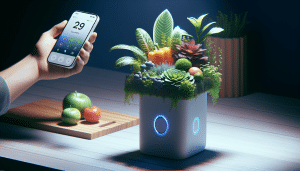
Smart home technology is enhancing multi-purpose designs. Adjustable lighting systems allow a single room to shift from bright work mode to warm, relaxed evening settings. Moveable smart partitions with built-in screens or whiteboards are being used for both meetings and family activities. According to a 2024 Smart Home Report by Statista, nearly 45% of new homeowners now integrate smart lighting and climate systems into renovations to maximize flexibility.
4. Open-Plan Layouts with Defined Zones
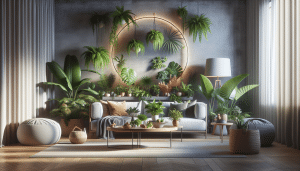
While open-plan living remains popular, the challenge has been creating clear boundaries. Designers are now using lightweight partitions, sliding panels, rugs, and even plant walls to define zones for different functions without sacrificing openness. For example, a kitchen island might double as a dining area, while a rug or shelving unit visually separates the workspace from the lounge.
5. Wellness-Oriented Spaces
Multi-purpose spaces are also designed with wellness in mind. A guest bedroom might double as a yoga studio, or a balcony may serve as both a reading nook and a gardening space. By integrating flexibility with mindfulness, homeowners create areas that support both productivity and relaxation.
Practical Strategies for Designing Multi-Purpose Living Spaces
1. Start with Needs Assessment
Before designing, identify the most common activities in the home. Do you need a work-from-home setup, a children’s play area, or extra storage? Prioritizing these needs helps determine how to structure and furnish a room effectively.
2. Invest in Modular Furniture
Modular furniture provides the flexibility to rearrange spaces quickly. Look for pieces that can expand, collapse, or change function depending on the activity.
3. Use Vertical Space
In smaller homes, vertical design is critical. Wall-mounted shelves, hanging desks, and tall cabinets maximize functionality without taking up valuable floor space.
4. Incorporate Movable Partitions
Sliding doors, folding screens, or even curtains can transform a single room into two distinct zones. This strategy is particularly useful in studio apartments.
5. Prioritize Storage Solutions
Clutter undermines flexibility. Incorporating built-in storage—under beds, inside ottomans, or in wall panels—keeps spaces tidy and adaptable.
6. Blend Aesthetics with Functionality
Multi-purpose does not have to mean cluttered. Stick with cohesive color palettes and design elements that ensure transitions between functions feel seamless.
Benefits of Multi-Purpose Living Spaces
- Cost Efficiency: Instead of moving to larger homes, families can adapt current spaces.
- Sustainability: Fewer resources are required when one room serves multiple functions.
- Flexibility for Future Needs: As family dynamics shift, spaces can be reconfigured without major renovations.
- Improved Lifestyle Balance: Homes that support both productivity and relaxation reduce stress and improve well-being.
Case Study: Small Apartment in New York City
Consider a 600-square-foot apartment redesigned in 2024 by an interior firm specializing in multi-purpose layouts. The living room includes a fold-out Murphy bed, making it a guest space when needed. The dining table expands into a workstation during the day, while the balcony doubles as a meditation space. This efficient design allowed the resident to avoid renting a larger apartment while still meeting personal and professional needs.
Future Outlook for Multi-Purpose Living Spaces
As urbanization continues and housing prices remain high, multi-purpose design will not only be a trend but a necessity. Emerging innovations, such as robotic furniture (already in pilot programs from companies like Ori Living), are expected to become more affordable in the next few years. These systems allow entire walls or furniture modules to shift at the push of a button, transforming a bedroom into a living room in seconds. In addition, sustainability will play an even larger role, with eco-friendly multi-functional furniture becoming a priority for environmentally conscious consumers.
Conclusion
Designing multi-purpose living spaces is no longer a design experiment—it is a lifestyle solution for modern challenges. By blending adaptability, technology, and aesthetics, homeowners can create environments that meet today’s diverse needs without requiring extra square footage. As 2025 unfolds, the trend is set to grow, shaping the way we think about space, functionality, and comfort. For professionals, families, and urban dwellers alike, mastering the art of designing multi-purpose living spaces is a practical and forward-looking investment in both daily comfort and long-term living value.
References
- Why Multi-Purpose Living Spaces Are a 2025 Must-Have- https://medium.com
- Design Strategies to Build Multi-Functional Spaces- https://mygalleryfurniture.com
- Key Trends Elevating Multi-Purpose Spaces- https://www.thespruce.com

 Travel Experiences That Spark Creativity